Accessibility of Energy-Dense Items in Households
February 2026
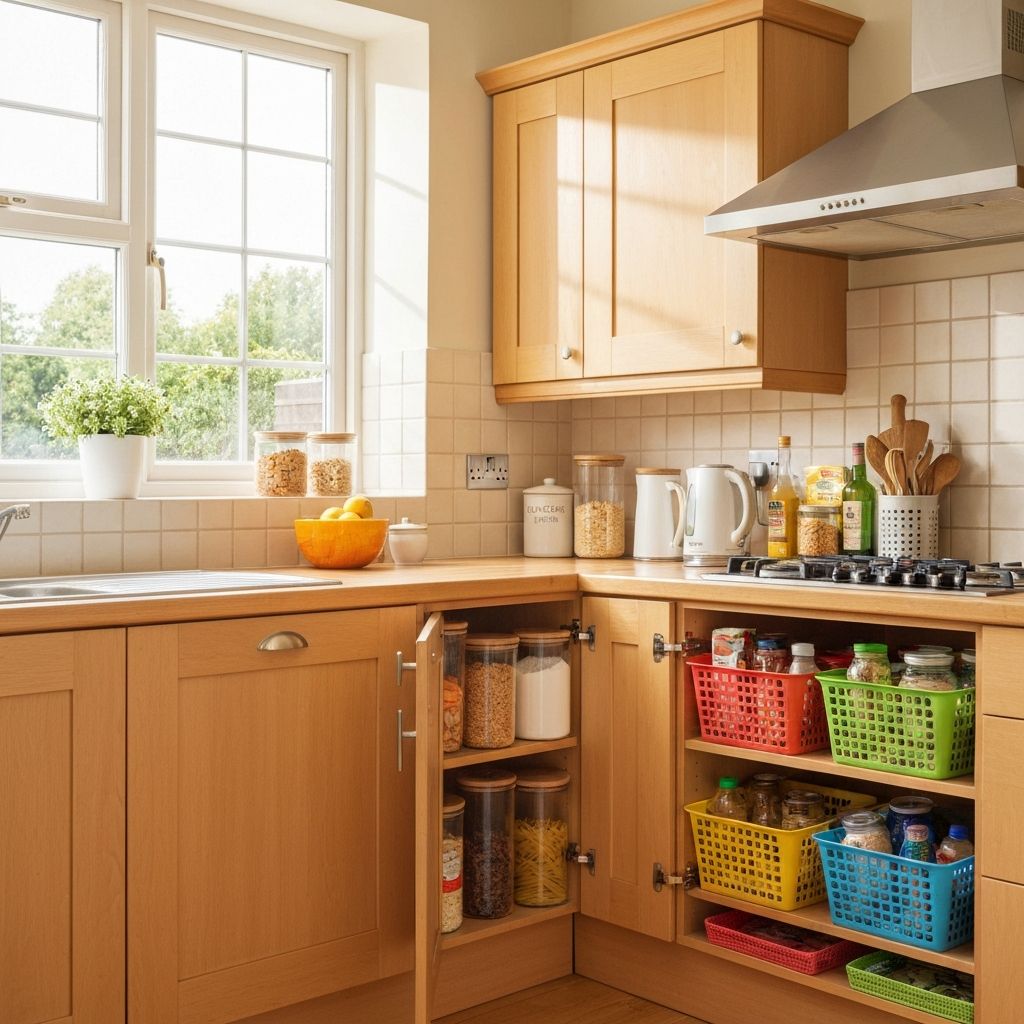
Defining Accessibility in the Food Environment
Accessibility in the household food environment refers to how easy it is for household members to reach, obtain, and prepare different foods. A food can be available in a home (meaning it is present) without being accessible (meaning it is easy to use). For example, biscuits stored in a high cupboard are available but may not be as accessible as those on a kitchen counter at arm's reach.
Accessibility encompasses several dimensions: physical accessibility (how easy it is to reach), preparation accessibility (how much effort is required to consume the food), and cost accessibility (whether the household can afford the food). In household food environment research, physical accessibility is most commonly examined.
Energy-Dense Foods in the Home
Energy-dense foods are foods that contain relatively high amounts of calories per unit of weight—often foods high in fat, sugar, or both. These include items such as biscuits, crisps, chocolate, pastries, sugary drinks, and processed snack foods commonly found in UK households. Research has examined where these foods are stored and how accessible they are within the home.
In observational studies of household food environments, researchers have documented that energy-dense snack foods are often stored in accessible locations—kitchen cupboards at eye level, snack drawers, or kitchen surfaces. This accessibility may correlate with their frequency in household dietary intake.
What Does Research Show?
Household food environment studies have found that energy-dense foods that are more accessible (closer, at eye level, in ready-to-eat form) tend to be consumed more frequently in those households compared to households where such foods are less accessible or absent. Conversely, in households where nutrient-dense foods like fruits and vegetables are stored accessibly—such as pre-prepared vegetables in the refrigerator or fruit in a bowl on the counter—these foods tend to appear more frequently in dietary intake.
UK household surveys have documented these patterns. The placement and accessibility of different food categories within the kitchen vary between households, and these differences have been associated with dietary composition. This is not to say that changing accessibility will necessarily change intake, but that accessibility and intake are correlated in observational data.
The Role of Food Type
Different food types may be stored with different accessibility levels. Energy-dense items may be stored in convenient, ready-to-eat formats (loose in a bowl, in single-serve portions), making them highly accessible. Nutrient-dense foods like fresh vegetables may require washing, chopping, or preparation, making them less immediately accessible. These differences in how foods are stored—reflecting both household practices and the nature of the foods—may influence how often they are consumed.
Accessibility vs. Presence
It is important to distinguish between having a food present in the home and having it be accessible. A household may have biscuits somewhere in the house (in the attic, the back of a cupboard, a rarely-opened drawer) that are technically available but not truly accessible in daily life. Accessibility is about what is practically available for consumption in the moment-to-moment environment of household members.
This distinction is relevant for understanding eating patterns. A food's presence in the home matters less for eating behaviour than its accessibility and salience in the household's regular environment.
Individual Variation
Importantly, individual responses to the accessibility of foods vary significantly. Some household members may be highly responsive to accessible foods, while others are not. Age, preference, hunger, and other factors all influence whether accessible foods are actually consumed. The accessibility of a food does not automatically mean it will be eaten.
Context and Meaning
How foods are stored and made accessible or inaccessible also reflects household values, practices, and the meanings attached to different foods. Some households may intentionally store certain foods less accessibly based on their preferences or values. The accessibility of foods is not determined solely by objective placement but also by household decisions and cultural practices.
Limitations of Accessibility Research
While observational research documents associations between accessibility and intake, it does not establish causation. Households with accessible energy-dense foods may differ in many ways from households with inaccessible energy-dense foods—including dietary preferences, purchasing practices, cultural background, and many other factors. These unmeasured differences could account for observed intake patterns rather than accessibility itself.
Additionally, laboratory studies examining accessibility effects have produced variable results, with individual differences in responsiveness to accessibility being substantial. What works in a controlled experimental setting may not generalise to real-world household eating patterns.